Welcome!






Differences Between Signage-Grade and Exterior Wall-Grade Aluminum Composite Panels (ACP)
Aluminum Composite Panel (ACP) is a versatile decorative material widely used in signage production and building exterior cladding. Though identical in basic structure—two aluminum sheets bonded with a polyethylene core—signage-grade ACP and exterior wall-grade ACP are tailored for distinct service environments, with huge differences in material specifications, surface treatment, performance, durability and cost. Below is a clear professional comparison for your project selection.
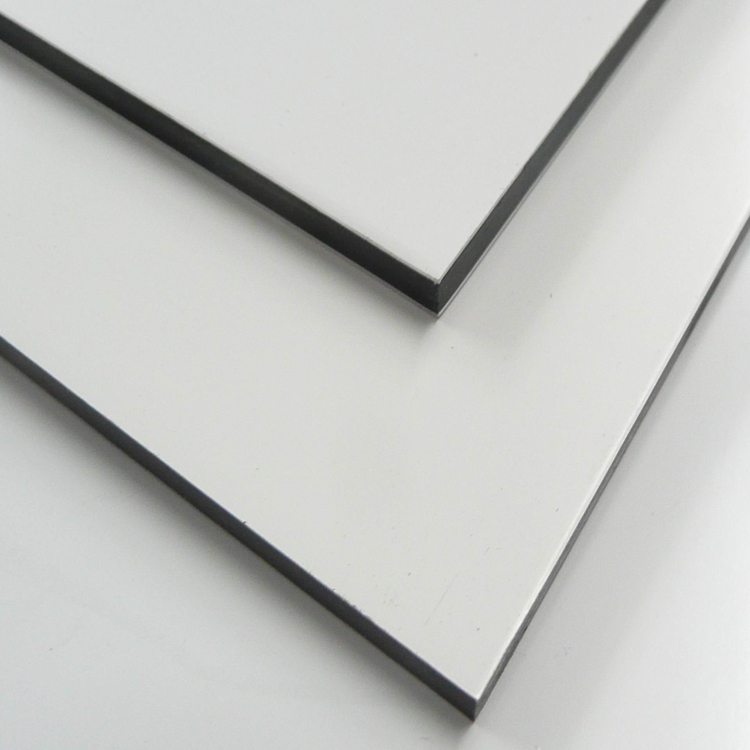
1. Overall Thickness & Aluminum Skin Gauge
This is the most intuitive structural difference between the two types of panels.
Signage-Grade ACP: It is designed for flat, low-load signboards. The total thickness is mainly 3mm, with thin upper and lower aluminum skins (usually 0.20mm–0.30mm). Featuring light weight and good flatness, it is easy to cut, bend and print, fully meeting the short-term decorative and display needs of advertising signs.
Exterior Wall-Grade ACP: For long-term outdoor building protection and wind resistance, its total thickness is no less than 4mm (4mm/5mm/6mm mainstream). The aluminum skin thickness reaches 0.50mm or above, adopting high-strength 3003 or 5005 series architectural aluminum alloy. It boasts rigid structure, strong wind pressure resistance and structural stability, suitable for high-rise building exterior walls.
2. Surface Coating Technology & Weather Resistance
Coating determines the service life and outdoor adaptability of ACP panels, becoming the core performance gap between the two grades.
Signage-Grade ACP: Adopts economical Polyester (PE) coating. The coating layer is thin with basic color retention performance. It works well for indoor signage, temporary outdoor billboards and short-term promotional displays. However, it is prone to fading, chalking and peeling after long-term exposure to strong sunlight, rain and ultraviolet radiation, with a conventional service life of 2–3 years.
Exterior Wall-Grade ACP: Uses high-performance PVDF fluorocarbon coating with multi-layer baking treatment. This professional architectural coating features excellent UV resistance, anti-corrosion, anti-fouling and weather resistance. It can resist extreme temperatures, acid rain, dust and harsh outdoor climates, maintaining stable color and smooth surface for 15–20 years, perfectly matching the long service life requirements of building exterior decoration.
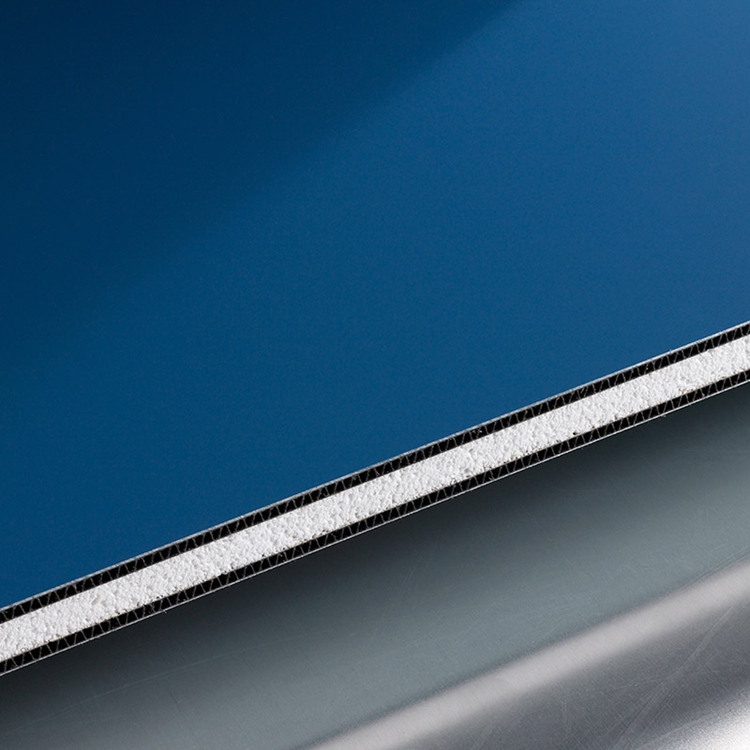
3. Core Material & Structural Performance
Signage-Grade ACP: Equipped with ordinary low-density PE core, focusing on flexibility and processability. It is easy to process into various sign shapes and letter shapes, but has poor compression resistance and aging resistance, and cannot bear long-term outdoor structural loads.
Exterior Wall-Grade ACP: Adopts high-density modified flame-retardant PE core, with higher bonding strength between aluminum skin and core layer. It passes strict architectural safety tests, featuring outstanding impact resistance, crack resistance and thermal stability. Most products meet building fire protection standards, which is a mandatory safety requirement for building exterior wall materials.
Signage-Grade ACP: Specialized for advertising and display purposes, including indoor and outdoor billboards, storefront signs, logo boards, exhibition display panels, street signage and temporary advertising decoration. It prioritizes appearance diversity and processing flexibility.
Exterior Wall-Grade ACP: Exclusive for building exterior engineering, such as high-rise building curtain walls, exterior wall cladding, old building exterior renovation, facade decoration of shopping malls, hotels and office buildings. It takes structural safety, weather durability and architectural compliance as the core standards.
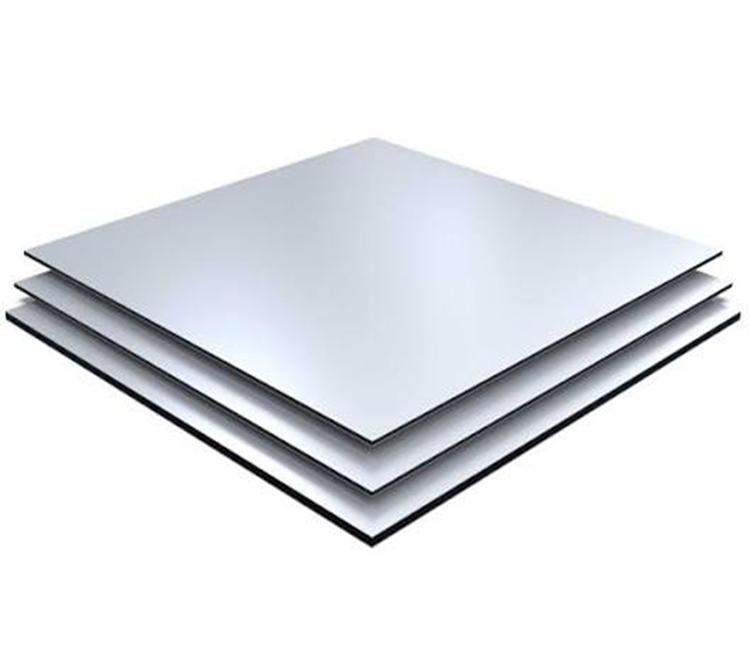
Signage-Grade ACP: With thin aluminum skin and ordinary PE coating, the production cost is low. It delivers high cost-effectiveness for short-term advertising projects with frequent replacement and no long-term durability requirements.
Exterior Wall-Grade ACP: Premium raw materials, sophisticated PVDF coating process and strict architectural quality standards lead to higher costs. It is a one-time investment for long-term building decoration, eliminating frequent maintenance and replacement costs, and is more economical for permanent building projects.
Choose signage-grade ACP for lightweight, cost-effective, easy-to-process advertising display projects with short service cycles. Choose exterior wall-grade ACP for permanent building facade decoration that requires high weather resistance, structural safety and long-term stability. Selecting the right grade of ACP ensures optimal performance, avoids unnecessary costs and extends the service life of your projects.
#signagegradeACP
#exteriorwallgradeACP
#SignageGradeACP
#ExteriorWallGradeACP
#Polyester(PE)coating
#PVDFfluorocarboncoating
Aluminum Composite Panels (ACPs), also known as Aluminum Composite Materials (ACMs), are sandwich-structured panels consisting of two thin aluminum sheets bonded to a non-aluminum core.
As a professional manufacturer of aluminum composite panels (ACP), we produce high-quality panels with two mainstream surface coatings:
Mirror Aluminum Composite Panels (ACP) with anodized coating are premium architectural cladding materials, manufactured through precision mirror polishing and electrochemical anodization.
Compare PVDF coating and PE coating for aluminum composite panels. Learn weather resistance, service life, cost, applications and how to choose ACP sheets for facades, interiors and signage.
Aluminum composite panel is a new type of building decoration material with the advantages of light quality, good stiffness, smooth surface, rich and colorful, convenient construction, etc. It is widely used in curtain wall, indoor and outdoor decoration and advertising signage, etc. It is an important decoration material reflecting modern architecture and decoration style.
Copyright © DERACP All Rights Reserved. Links:TPU fabric