



Welcome!
  • English
  • Español
  • Portugues
  • Français
  • Русский
News
Current Location: Home > News

Types and Quality Comparison of Aluminum Composite Panel Core

Update:2026-7-2 2:06:13 Views:0

Types and Quality Comparison of Aluminum Composite Panel Core

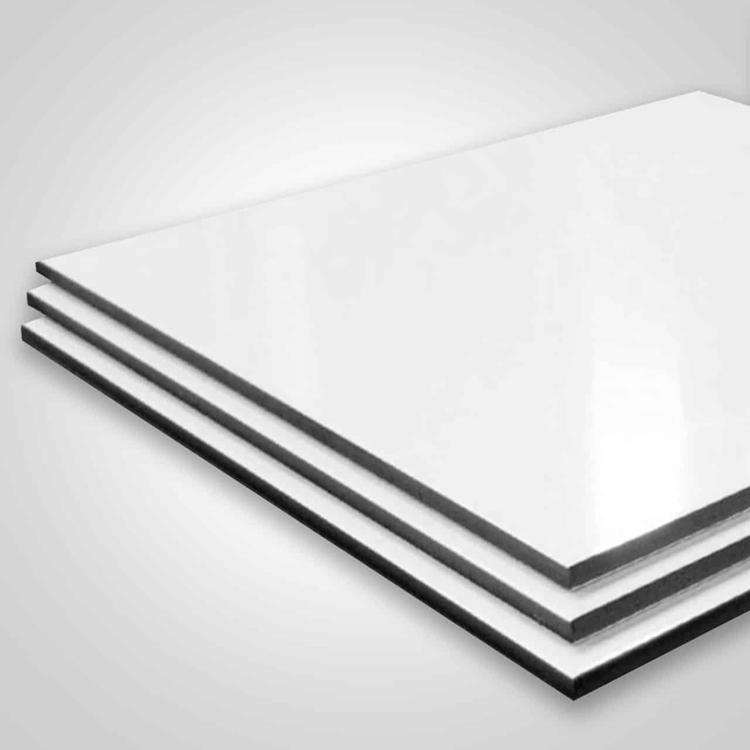
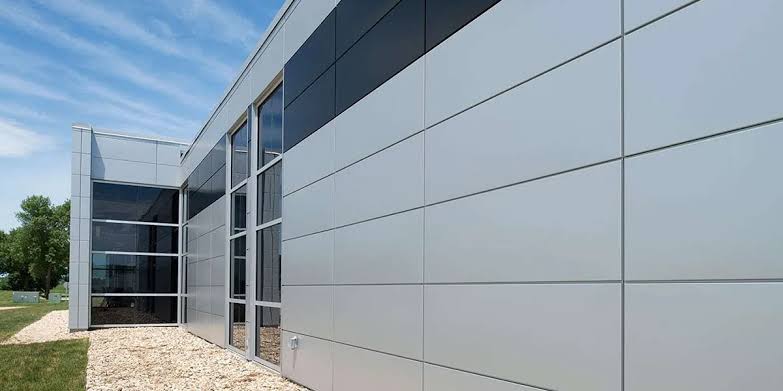
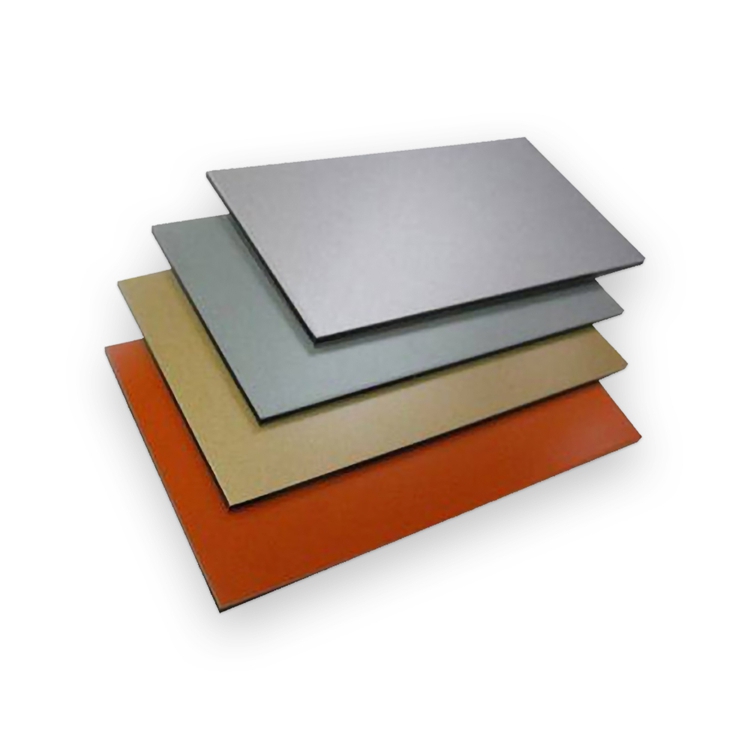
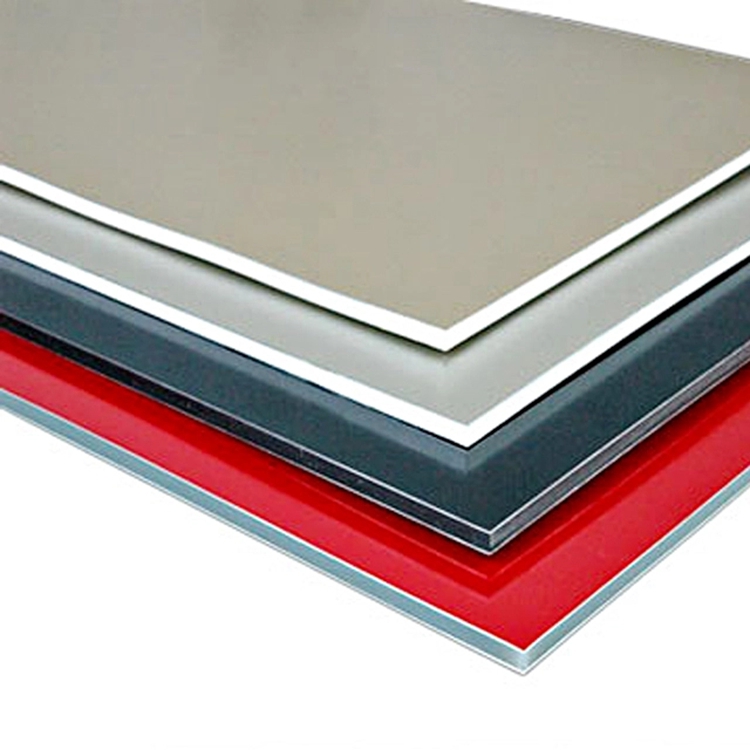
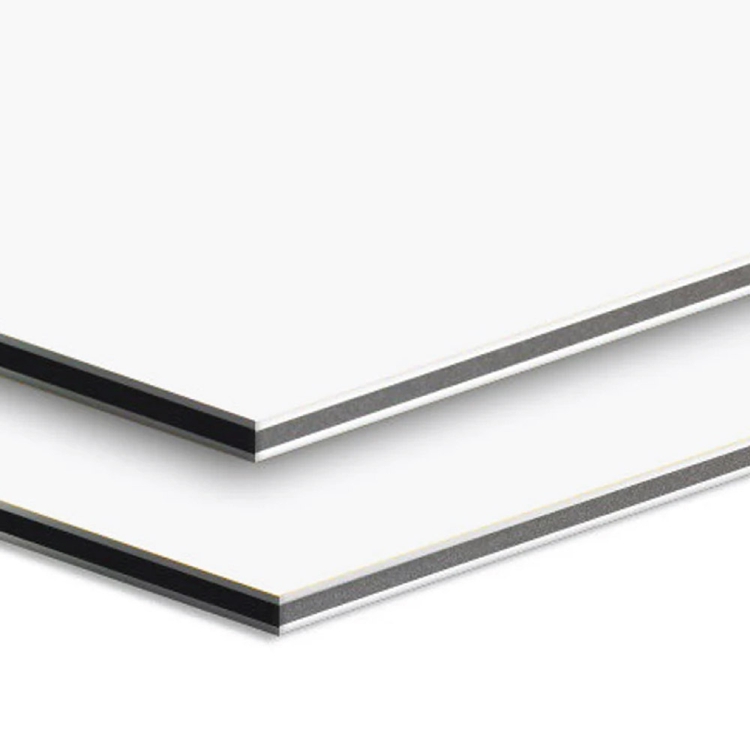
Aluminum Composite Panels (ACPs), also known as Aluminum Composite Materials (ACMs), are sandwich-structured panels consisting of two thin aluminum sheets bonded to a non-aluminum core. The core material is the critical component that determines the panel's fire performance, mechanical properties, weight, and overall quality. As a professional ACP manufacturer, understanding the different core types and their advantages and disadvantages is essential for selecting the right product for specific applications.

1. Polyethylene (PE) Core

Composition

PE core panels use 100% pure or recycled polyethylene as the core material. This is the most traditional and widely used core type in the ACP industry.

Advantages

  • Cost-Effective: PE core is the most economical option, making it ideal for budget-sensitive projects
  • Lightweight: Low density (approximately 0.93 g/cm³) reduces overall panel weight and installation costs
  • Excellent Processability: High toughness and ductility allow easy cutting, grooving, bending, and forming into complex curved shapes
  • Good Bonding Performance: PE bonds well with aluminum sheets through hot-melt adhesive technology
  • Flexibility: Superior flexibility makes it suitable for applications requiring shaping or curving

Disadvantages

  • Poor Fire Resistance: PE is highly flammable with a limiting oxygen index of only about 17%, classified as B2 grade (combustible)
  • Fire Hazards: Burns rapidly when exposed to flame, producing molten drips and toxic smoke
  • Safety Risks: Can contribute to rapid fire spread in building facades, as demonstrated in several high-rise fire incidents worldwide
  • Building Code Restrictions: Prohibited or restricted in high-rise buildings and public facilities in many countries

Typical Applications

  • Indoor decoration and partitions
  • Signage and advertising boards
  • Exhibition stands and temporary installations
  • Low-rise building facades (below 3 stories)
  • Interior wall cladding

2. Fire-Retardant (FR) Core / B1 Grade

Composition

FR core panels are made from a blend of polyethylene and mineral fillers, typically in a ratio of approximately 30% PE and 70% inorganic minerals. The primary flame retardant additives include aluminum hydroxide (Al(OH)₃) and magnesium hydroxide (Mg(OH)₂).
Advantages

  • Improved Fire Performance: Achieves B1 fire rating (flame-retardant) with a limiting oxygen index above 30%
  • Self-Extinguishing: Flame extinguishes within 10 seconds after the ignition source is removed
  • Reduced Smoke Emission: Produces significantly less smoke compared to standard PE core
  • Balanced Performance: Maintains good processability and flexibility while enhancing fire safety
  • Cost-Effective Upgrade: Offers substantial fire safety improvement at a moderate price premium over standard PE

Disadvantages

  • Still Combustible: Contains organic components that will burn under prolonged high-temperature exposure
  • Not Suitable for High-Rise: Does not meet the strictest fire codes for tall buildings
  • Processing Considerations: Slightly more brittle than pure PE core, requiring careful handling during fabrication

Typical Applications

  • Commercial building interiors
  • Mid-rise building exteriors (up to 15 meters)
  • Retail storefronts
  • Office building partitions
  • Transportation interiors

3. A2 Grade Non-Combustible Mineral Core

Composition

A2 grade panels feature a predominantly mineral-based core with 88-95% inorganic fillers and only 5-12% polymer binder. The main components are aluminum hydroxide and magnesium hydroxide, which release water vapor when heated, effectively suppressing combustion.

Advantages

  • Superior Fire Resistance: Classified as A2 grade (non-combustible / limited combustibility) according to EN 13501-1 standard
  • No Flame Spread: Does not contribute to fire load and cannot independently sustain combustion
  • Minimal Smoke Production: Generates very little smoke during fire exposure (s1 classification)
  • No Dripping: Produces no flaming droplets (d0 classification), eliminating secondary fire hazards
  • High Temperature Stability: Maintains structural integrity even at temperatures up to 1500°C
  • Environmental Friendly: Mineral-based composition is more eco-friendly and recyclable
  • Code Compliance: Meets the strictest international fire safety standards including NFPA 285, ASTM E84, and EN 13501-1

Disadvantages

  • Higher Cost: Premium pricing due to high mineral content and specialized manufacturing processes
  • Slightly Heavier: Higher density compared to PE core panels
  • Processing Requirements: Requires specialized tools and techniques for optimal fabrication results
  • Brittleness: More brittle than PE cores, requiring careful handling during installation

Typical Applications

  • High-rise building facades (above 15 meters)
  • Public buildings (hospitals, schools, government facilities)
  • Transportation hubs (airports, train stations)
  • Shopping malls and commercial centers
  • Projects requiring strict fire safety compliance
  • Mandatory in GCC countries and increasingly required in Europe, Asia, and Australia

4. Recycled / Low-Grade PE Core (Economy Grade)

Composition

Made from recycled low-density polyethylene (LDPE) or mixed plastic waste, often referred to as "broken core" in the industry.

Advantages

  • Lowest Cost: The most inexpensive option available in the market
  • Basic Functionality: Serves basic decorative purposes for non-critical applications

Disadvantages

  • Poor Quality Control: Inconsistent material composition leads to variable performance
  • Low Toughness: Prone to cracking during bending, folding, or grooving operations
  • Weak Bonding: Poor adhesion strength with aluminum skins, increasing delamination risk
  • Unknown Fire Performance: Fire characteristics are unpredictable and typically worse than virgin PE
  • Durability Issues: Shorter service life and higher failure rates

Typical Applications

  • Temporary construction hoardings
  • Budget indoor projects with low structural requirements
  • Short-term advertising displays
  • Non-critical decorative elements

Comparative Analysis Table


Property

PE Core

FR B1 Core

A2 Mineral Core

Recycled PE Core

Fire Rating

B2 (Combustible)

B1 (Flame-Retardant)

A2 (Non-Combustible)

Unrated / B2-Below

Mineral Content

0%

~70%

88-95%

0%

Limiting Oxygen Index

~17%

>30%

N/A (Non-combustible)

<17%

Smoke Production

High

Medium

Very Low

High

Dripping

Yes

Reduced

No

Yes

Weight

Light

Medium

Slightly Heavy

Light

Processability

Excellent

Good

Moderate

Poor

Cost

Low

Medium

High

Lowest

Building Height Limit

<3 stories

Up to 15m

Unlimited (code compliant)

Not recommended

Typical Warranty

5-10 years

10-15 years

15-20 years

1-3 years


Selection Guidelines

When to Choose PE Core

  • Budget is the primary concern
  • Application is indoor or low-rise
  • Fire safety requirements are minimal
  • Project is temporary or short-term

When to Choose FR B1 Core

  • Balanced performance and cost are needed
  • Building height is moderate (under 15 meters)
  • Local fire codes require B1 classification
  • Commercial interiors with moderate traffic

When to Choose A2 Mineral Core

  • High-rise building applications (above 15 meters)
  • Public buildings with high occupancy
  • Strict fire code compliance is mandatory
  • Long-term durability and safety are priorities
  • Project location requires A2 certification (GCC, Europe, etc.)

Conclusion

The choice of core material significantly impacts the safety, performance, and longevity of aluminum composite panels. While PE core remains a cost-effective solution for low-risk applications, the global trend toward stricter building safety codes—accelerated by high-profile fire incidents—has made fire-resistant cores increasingly important.

As a responsible manufacturer, we recommend carefully evaluating project requirements, local building codes, and long-term safety considerations when selecting core materials. Investing in higher-grade fire-resistant cores not only ensures compliance but also provides peace of mind and protects the value of your construction investment.

LATEST

The Difference Between PVDF Coating and PE Coating for Aluminum Composite Panels

As a professional manufacturer of aluminum composite panels (ACP), we produce high-quality panels with two mainstream surface coatings:

Anodized Coating for Mirror Aluminum Composite Panels

Mirror Aluminum Composite Panels (ACP) with anodized coating are premium architectural cladding materials, manufactured through precision mirror polishing and electrochemical anodization.

Differences Between Signage-Grade and Exterior Wall-Grade Aluminum Composite Panels (ACP)

Aluminum Composite Panel (ACP) is a versatile decorative material widely used in signage production and building exterior cladding.

PVDF Coating vs PE Coating for Aluminum Composite Panels

Compare PVDF coating and PE coating for aluminum composite panels. Learn weather resistance, service life, cost, applications and how to choose ACP sheets for facades, interiors and signage.

Is aluminum composite panel fireproof

Aluminum composite panel is a new type of building decoration material with the advantages of light quality, good stiffness, smooth surface, rich and colorful, convenient construction, etc. It is widely used in curtain wall, indoor and outdoor decoration and advertising signage, etc. It is an important decoration material reflecting modern architecture and decoration style.

Landlord hotline:
+86-021-54361792
Email:
info@der-acp.com