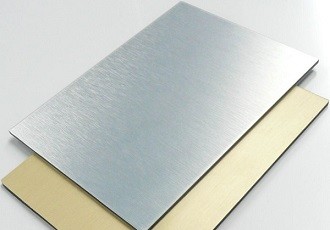





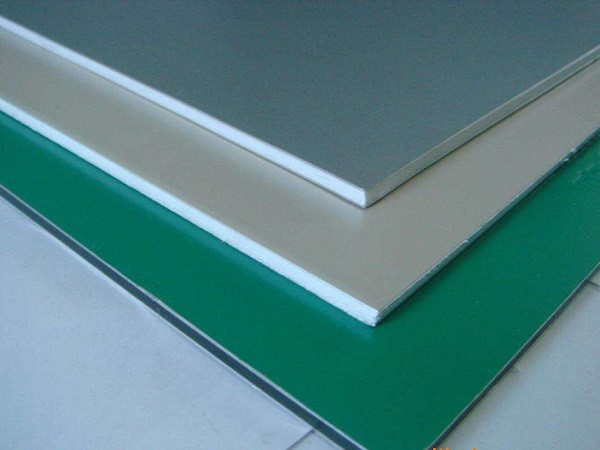
Panel Structure
Choose the total panel thickness, aluminum skin thickness and core category according to rigidity, routing, bending, facade use, interior decoration or signage production.
Develop an OEM ACP sheet or OEM ACM panel with the thickness, aluminum skin, core, coating, color, surface effect, protective film and packing format required by your distribution channel or project specification.
A useful OEM aluminum composite panel is not created by changing a logo alone. It starts with the buyer’s application, customer profile, processing method, climate exposure and expected price-performance position.
DERACP works with distributors, facade material suppliers, signage wholesalers, building-material importers, contractors and private-label brands that need a repeatable panel specification. The discussion can cover panel thickness, aluminum skin thickness, core choice, coating, gloss, pattern, film, label language and shipment packing.
This specification-first approach helps purchasing teams compare quotations more accurately and reduces the risk of approving a visually similar panel that is structurally different from the product required by the market.
The right combination depends on how the panel will be fabricated, installed, sold and maintained. Final availability is confirmed against the requested order specification.
Choose the total panel thickness, aluminum skin thickness and core category according to rigidity, routing, bending, facade use, interior decoration or signage production.
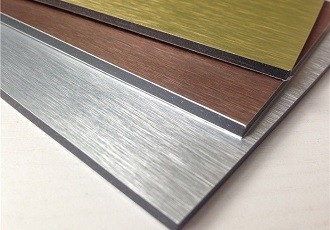
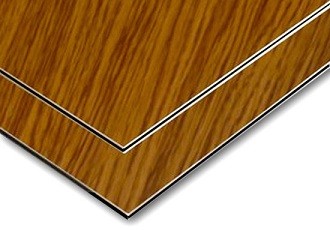
Coordinate PE or PVDF coating, gloss level and visual effect for the intended service environment. Decorative options can include solid, metallic, brushed, mirror, wood, high-gloss and printed surfaces.
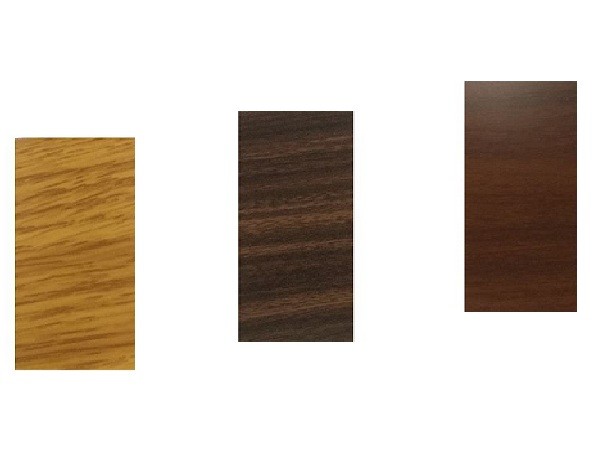
Build a focused color range for your catalogue or submit a project reference for evaluation. Color approval should consider lighting, gloss, texture and acceptable batch tolerance.
Discuss private-label protective film, panel markings, carton information, pallet labels, packing lists and buyer-specific shipment identification before the production order is released.
OEM buyers gain more control when visual approval, structural approval and commercial packing approval are treated as separate checkpoints.
A purchase description should identify total thickness, aluminum skin, core type, coating side and intended application. “4 mm ACP” alone does not define a repeatable product.
Color code, gloss, texture, directional grain and protective film can affect the received appearance. Keep an approved physical reference where practical.
Private-label artwork, language, model code, carton quantity and pallet identification should be checked before printing and packing begin.
Use the table as an inquiry checklist. Exact combinations, tolerances, order quantity and production schedule are confirmed in the quotation and order documents.
| Product Type | OEM aluminum composite panel, OEM ACP sheet, OEM ACM panel |
|---|---|
| Total Panel Thickness | Common project references include 3 mm, 4 mm and other options within an approximate 3–6 mm range |
| Aluminum Skin | Selected according to interior, signage, exterior or fire-rated specification; project confirmation required |
| Standard Sheet Reference | 1220 × 2440 mm is commonly discussed; non-standard size can be evaluated for the order |
| Core Options | PE core or fire-rated core according to product design and applicable project requirements |
| Coating Options | PE, PVDF and decorative surface systems selected for the intended environment |
| Surface Effects | Solid, metallic, high gloss, brushed, mirror, wood grain, digital print and other available collections |
| Color Development | Standard color chart selection or evaluation against a supplied reference |
| OEM Branding | Protective film artwork, labels, model coding, carton information and pallet identification |
| Packing | Export packing method planned according to panel size, loading method and destination handling conditions |
Important: performance statements, fire classification and suitability should be confirmed for the specific panel construction, test report, installation system and local project requirements.
Clear approval stages help the manufacturer, importer and end market work from the same definition.
Share application, climate exposure, fabrication method, target customers and required documents.
Confirm thickness, aluminum skin, core, coating, finish, color, size and packing concept.
Review structure and appearance. Record the approved reference and any acceptable tolerance.
Approve artwork, labels, quantities, loading requirements and commercial documents.
Use the established specification and reference data for future purchasing and range expansion.
A private-label range can be organized by application and buyer demand instead of offering an unstructured list of colors.
Build a recognizable panel range with controlled models, color collections and private-label presentation.
Source project-oriented panel structures for exterior cladding, soffits, canopies and renovation work.
Specify flat, fabricatable sheets for printing, sign boards, shop branding and display production.
Develop decorative metallic, wood, mirror, high-gloss or printed collections for commercial spaces.
A complete inquiry helps the factory return a more relevant proposal and reduces specification revisions later.
These DERACP product categories can be combined into a focused collection for your customer base.
An OEM aluminum composite panel is manufactured to a buyer-defined specification and can include customized structure, dimensions, color, coating, finish, protective film, labels and packing. The buyer may sell it under a private brand or use it for a defined project program.
Private-label protective film, product labels and packing identification can be discussed. Artwork format, print layout, color, model coding, language and order quantity should be confirmed before production.
Color development can be evaluated against a standard chart, physical sample or project reference. Approval should consider coating type, gloss, texture, lighting and batch tolerance rather than color name alone.
The answer depends on the facade system, building height, climate, aluminum skin, coating, core requirement, local code and project documentation. Share the complete application so the quotation can be based on the intended use.
It may not be advisable. Signage and exterior facade panels can have different requirements for aluminum skin, coating, core, rigidity, fabrication and documentation. Separate specifications often provide clearer performance and cost control.
Color development, coating, panel structure, size, private-label film, packing artwork and quantity by model can all affect the commercial terms. DERACP can confirm the applicable MOQ and schedule after reviewing the full specification.
Send your application, panel structure, sizes, colors, quantities, private-label requirements and destination. The DERACP team can review the details and prepare a project-specific quotation.
Source export-ready aluminum composite panels from DERACP in China. Configure ACP and ACM sheet thickness, aluminum skin, core, coating, finish, size, export packing and shipment documents for distributors and projects.
Source ACP sheets from DERACP for wholesale, cladding, signage and interior projects. Compare panel structure, coatings, finishes, sizes, QC and export packing.
Source custom ACP sheets from DERACP, an experienced ACP sheet manufacturer in China. Compare panel thickness, aluminum skin, PE or fire-rated core, PE/PVDF coating, finishes, sizes and project options.
DERACP manufactures custom aluminum composite panels for exterior cladding, interiors, signage and OEM supply, with PE, PVDF and fire-rated options.
DERACP mirror aluminum composite panels with anodized coating for facades, signage, retail interiors and decorative cladding. Explore mirror ACP features, specifications, outdoor guidelines and OEM options.
Copyright © DERACP All Rights Reserved. Links:TPU fabric